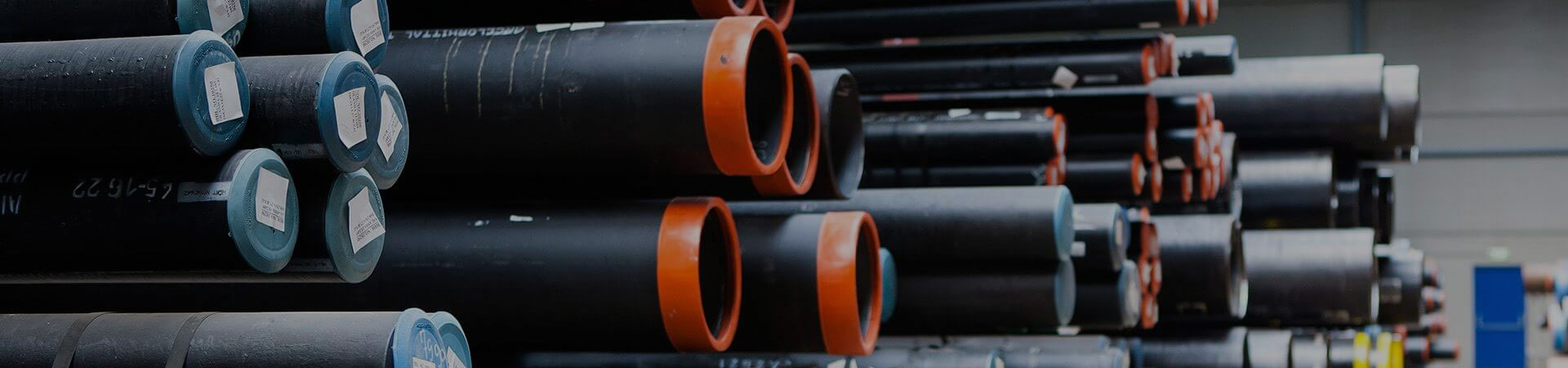

Boiler Tubes & Plates
Boiler tubes are steel tubes specifically designed to withstand high temperatures and pressures within boilers and heat exchangers. They serve as conduits for the flow of water, steam, or other fluids in a boiler system. These tubes are typically made from carbon steel or alloy steel due to their excellent mechanical properties and heat resistance.
Boiler tubes are available in various sizes and dimensions, commonly specified by the outer diameter (OD) and wall thickness (WT). They need to meet specific requirements to ensure reliable and efficient operation in high-temperature and high-pressure environments. These tubes are subject to strict standards and regulations to guarantee their quality, safety, and performance.
Boiler tubes and pipes play crucial roles in the safe and efficient operation of boilers and pressure vessels. They are manufactured and tested according to industry standards, such as ASTM (American Society for Testing and Materials) or ASME (American Society of Mechanical Engineers), to ensure compliance and quality. Proper selection and utilization of boiler tubes and plates are essential to maintain the integrity and performance of boiler systems.
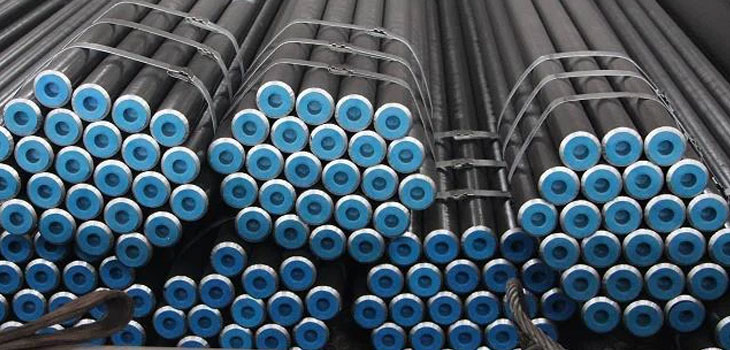
Specifications for Boiler Tubes & Pipes
| Material Grade | The specific grade of steel used for the boiler tubes. |
|---|---|
| Chemical Composition | carbon (C), silicon (Si), manganese (Mn), sulfur (S), phosphorus (P) |
| Tensile Strength | The maximum stress the tube can withstand without breaking. |
| Yield Strength | The stress at which the tube starts to deform permanently. |
| Hardness | The measure of the tube's resistance to indentation or scratching. |
| Wall Thickness | millimeters (mm) or inches (in). |
| Length | meters (m) or feet (ft) |
| Surface Finish | pickled, oiled, or polished |


 Second St, Bori Chawl, Khetwadi, Girgaon, Mumbai, Maharashtra 400004
 sales@riddhisteel.com
 +91 8329674667

