
Boiler Plates
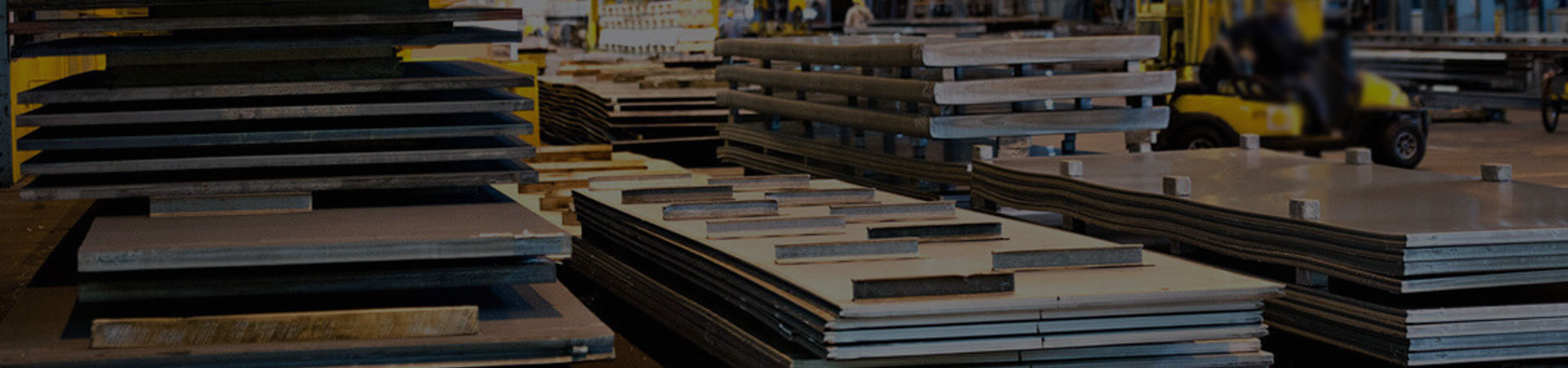
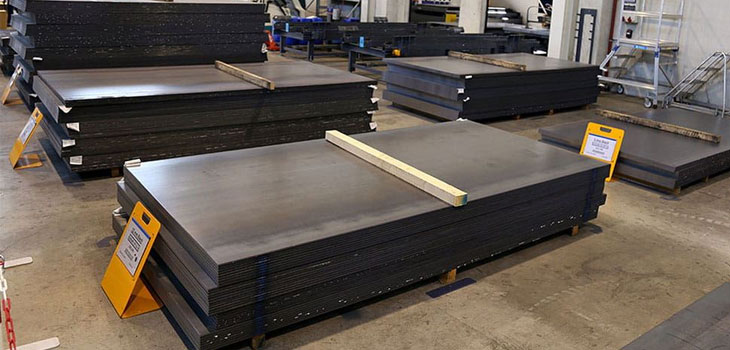
A boiler plate refers to a type of high-quality, thick steel plate that is primarily used in the construction of boilers and pressure vessels. These plates are specifically designed to withstand high temperatures and pressures, making them suitable for containing hot gases or liquids under intense conditions.
Boiler plates are typically made from low carbon steel or mild steel, which offers good weldability, formability, and strength. They undergo various manufacturing processes such as hot rolling or normalizing to achieve the desired mechanical properties. The thickness of boiler plates can vary depending on the specific application and requirements.
Boiler plates play a crucial role in the construction of boilers, which are used in a wide range of industries such as power generation, petrochemicals, refineries, and manufacturing plants. These plates provide structural integrity and ensure the safe operation of boilers by containing the high-pressure steam or fluids generated within them.
Specifications for Boiler Plates
| Material Composition | Low to medium |
|---|---|
| Tensile Strength | Sufficient strength to withstand high internal pressure |
| Yield Strength | Defines stress level for plastic deformation |
| Thickness | few mm to several inches |
| Dimensions | Standard size |
| Heat Treatment | Normalizing, quenching and tempering |
| Certification/Standards | ASTM, ASME, EN |


 Second St, Bori Chawl, Khetwadi, Girgaon, Mumbai, Maharashtra 400004
 sales@riddhisteel.com
 +91 8329674667

